Almost every excessive wear charge on a lease return traces back to something the driver could have handled months earlier for less money. Leasing companies do not expect a returned vehicle to look new.
They expect it to fall inside the wear standards printed in the agreement you signed, and those standards are more specific than most drivers realize.
Knowing where that line sits, and checking the car against it more than once during the term, is what separates a clean return from a final bill with four extra items on it. Drivers who stay ahead of it walk away with no surprises and plenty of room to weigh quality car leasing options for their next vehicle.
Where Normal Wear Ends and Chargeable Damage Begins
Every lease agreement contains a wear standard, and it is the only definition that matters at return. Excessive wear is wear that goes beyond what your contract allows, and lenders are expected to state those limits in reasonable, specific terms rather than vague language. Two lenders can look at the same door ding and reach different conclusions, which is why the document in your glovebox outranks any general rule you read online.
The size and placement of damage both feed the decision:
- Expected wear. A chip on the front bumper from highway driving sits in the category lenders expect after two or three years.
- Chargeable damage. A gouge on a door panel where someone swung a car door into it does not, because it changes what the vehicle brings at auction.
The residual value written into your contract assumes the car comes back in a particular condition, and the charge is the lender recovering that gap.
Tires, Service Records, and the Parts That Go Missing
Body damage gets the attention, but the charges that surprise people tend to sit elsewhere. Tires, maintenance history, and small missing items account for a real share of final bills, and all three are fixable weeks before an inspector arrives.
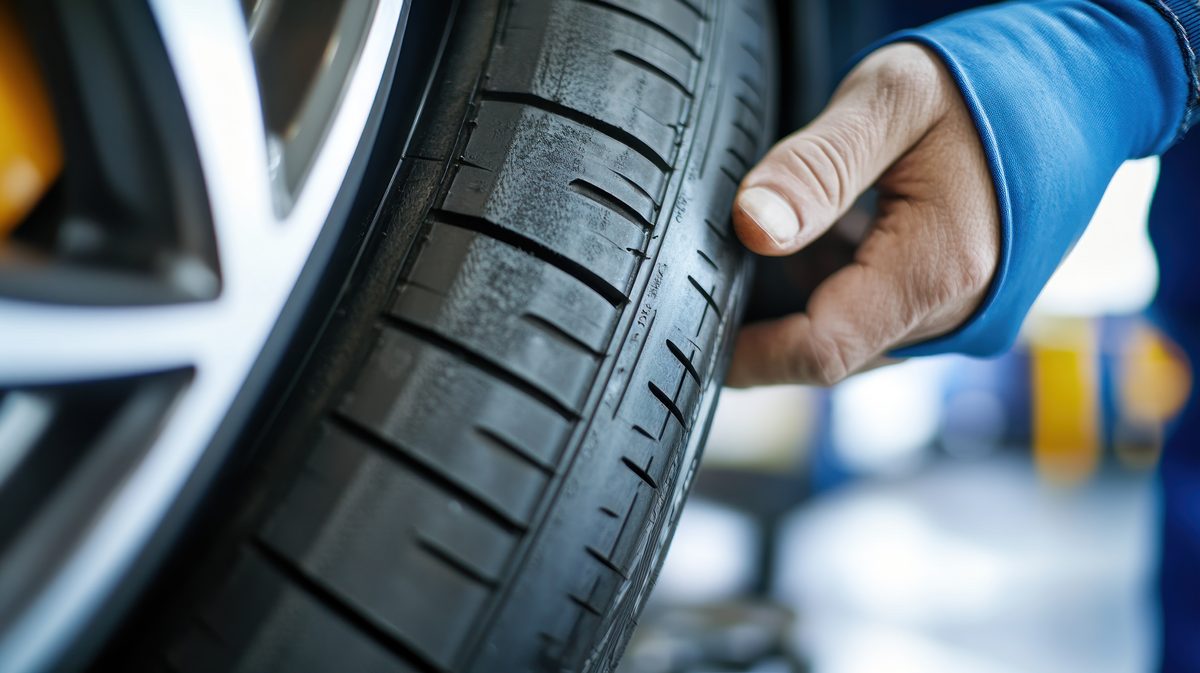
- Tread depth. Check the shallowest point on each tire against the minimum in your agreement. Many contracts set 1/8 inch, and worn tires are one of the most commonly billed items in return.
- Matching tires. Some agreements expect consistent brand and specification across an axle, so a single roadside replacement two years ago can create a problem now.
- Service records. Most lessors require maintenance on the manufacturer’s schedule. Some require a franchise dealership, most do not, so read yours before choosing a shop and keep every receipt.
- Original equipment. The second key, the factory floor mats, the cargo cover, and the charging cable all get checked. Missing parts are billed as damage.
- Glass chips. A small chip can spread into a full crack over one cold season. Repairing a chip is cheap. Replacing a windshield is not.
Working through that list once, roughly six months before the end date, costs an afternoon. Working through it after the inspection report lands costs whatever the lender’s vendor quotes.
Keeping the Cabin and the Paint in Return Ready Shape
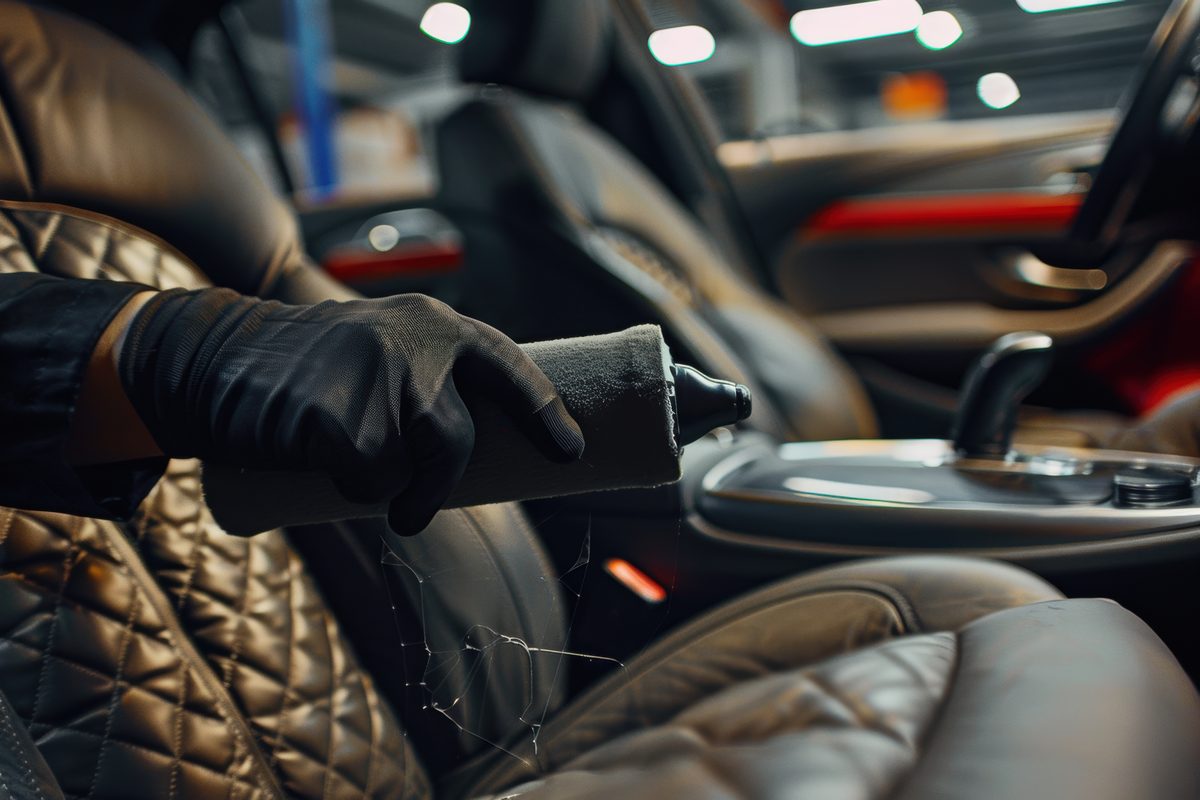
Spills decide the interior grade more than anything else. A drink treated within a few minutes lifts out of fabric with a wipe. The same drink left to bond with the fibers for a week often needs professional extraction, and it sometimes leaves a shadow that an inspector reads as a permanent stain. A pack of interior wipes in the glovebox removes the excuse for waiting.
Interior Protection
- Floor mats. They absorb the abuse the carpet underneath would otherwise take, and they can be swapped or deep cleaned in a way factory carpet cannot. Aftermarket mats are worth using, though the original set still has to go back with the car.
- Seat covers. These earn their cost quickly in a vehicle that regularly carries children, dogs, or work gear, all of which concentrate wear on upholstery faster than commuting does.
- High touch surfaces. Door panels, handles, and the center console pick up grime steadily and rarely get cleaned on the same schedule as the seats. A wipe every few weeks keeps them off the report.
Exterior Protection
- Paint protection film or ceramic coating. Applied early to the front bumper, lower door edges, and mirror housings, it absorbs the debris that would otherwise mark the paint. The cost usually sits well below a paint correction quote, which makes it a reasonable bet across a three year term.
- Winter washing. Road salt through the winter months works on paint, wheel finishes, and the undercarriage at the same time, so washing more often between December and March clears the buildup before it settles into anything permanent.
- Parking choices. These add up over three years too, and an end spot away from the crowded middle of a lot removes a meaningful share of the door ding risk.
Drivers who are unsure which category their car falls into can bring the lease agreement to the VIP Auto PA office. The team reads these contracts every week, can point to the wear language your lender will actually apply at inspection, and can lay out your lease end options while there is still time to act on them.
The Repair Decision Before Your Lease Ends
If you have a lease ending soon, your lender usually reaches out a few months before the end date and arranges an inspection, often through a third-party company that comes to your home or office and documents the car inside and out.
The report that follows itemizes anything falling outside the standard, and it arrives before you hand over the keys. That gap is the whole opportunity.
Handling qualifying repairs yourself is generally cheaper than accepting the lender’s rate, and plenty of drivers do exactly that. The catch is quality.
A cheap repair that does not meet the manufacturer’s standard gets flagged as damage in its own right, which means paying twice for the same panel.
Use a shop that documents the work and keeps the invoice. Any charge the lender does assess may be limited by state law to the actual cost of repair or a reasonable estimate of it, so an independent quote gives you a number to hold the final bill against.