
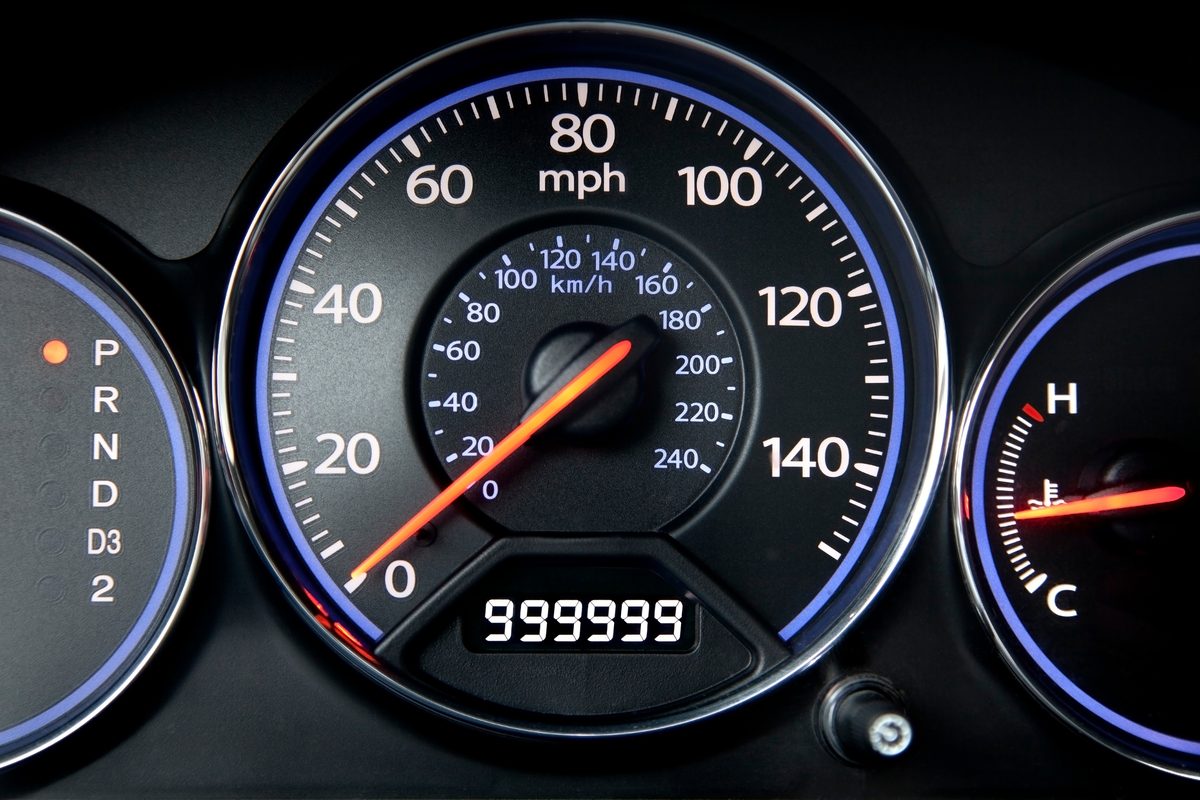
If you have been watching the odometer tick closer to your annual limit, you are probably wondering what the damage actually looks like.
Mileage overages are one of the most common lease surprises, and for good reason. The charge builds invisibly throughout the term and then arrives all at once when you return the vehicle.
Working with a car leasing company in Pennsylvania makes it far easier to understand your overage terms early and handle them before they grow into something larger.
How Mileage Limits Are Set on a Car Lease
Every lease starts with a mileage allowance, and most standard allowances fall between 10,000 and 12,000 miles per year.
That number is not chosen at random. Leasing companies calculate your monthly payment based on how much the vehicle is projected to depreciate over the lease term, and mileage is one of the biggest factors in that calculation.
The more miles a vehicle accumulates, the lower its resale value at the end of the term. The mileage limit is the leasing company’s way of protecting the residual value they factored into your deal from the beginning. Knowing this upfront makes it much easier to lease a car with an allowance that matches how you actually drive.
The total allowance for your lease is the annual figure multiplied by the number of years in your term:
- A 36 month lease with a 12,000 mile annual allowance gives you 36,000 total miles across the full term.
- Every mile past that number is subject to the overage rate written into your contract.
- The limit does not reset or adjust between years. If you drive heavily in year one and pull back in year two, the total still gets measured against the same ceiling when you hand over the keys.
What Overage Charges Actually Cost
The per mile overage rate is spelled out in your lease contract and typically falls between $0.15 and $0.25 per mile.
That range might sound manageable on a per mile basis, but overages tend to build quietly throughout the term.
A driver who goes 5,000 miles over their allowance at $0.20 per mile is looking at a $1,000 charge, due at vehicle return. There is no payment plan for that bill. It is due when the keys are handed over.
Some drivers assume they can negotiate the overage fee in return. In most cases, that does not happen.
The charge is contractual, and leasing companies hold to it. The rate was disclosed at signing, and the expectation is that the driver managed within the agreed allowance.
This is one of the first things we address when structuring a lease for a client. Getting the mileage number right at the start costs far less than paying the per mile overage rate on thousands of extra miles at return.
How to Track Your Mileage Position Throughout the Lease
Staying aware of your mileage position is the single most practical thing you can do to avoid a return surprise. Here is the simple method:
- Take your total lease mileage allowance.
- Divide it by the number of months in your term.
- Use that monthly average as the number to track against.
If your 36 month, 36,000 mile lease started in January and your odometer shows 14,000 miles by month 12, you are already 2,000 miles ahead of where you should be.
A check every three months is enough to stay ahead of this. Many drivers tie it to an oil change or tire rotation since those are already built into the routine. The goal is to spot any drift while there is still time to act. A mileage gap caught at month 15 gives you options. The same gap discovered at month 34 mostly gives you a bill.

What You Can Do If You Are Running Over Your Allowance
If you catch a developing overage early in the lease term, a few options are worth knowing about.
Some leasing companies offer a mid lease mileage buyup, which lets you purchase additional miles before the lease ends at a lower per mile rate than the standard overage charge.
Not every lender offers this, and there is typically a deadline for requesting it, so the earlier you act, the more options remain open to you.
For drivers who have flexibility in which vehicle they use for longer trips, adjusting day to day driving habits mid lease is sometimes realistic.
Others who are further into their term with significant overages already built up sometimes find that starting a lease transition a few months earlier than originally planned gives more room to work with.
If an early exit into a new agreement is on the table, it helps to know credit score ranges before you begin, since approval terms shape which vehicles and allowances are realistic.
Our team can walk through the realistic options based on where you are in the term and how far over your allowance you are currently tracking.
How We Help Feasterville Trevose Drivers Avoid Mileage Problems From the Start
The best time to address mileage is before the lease is signed.
When we work with a client on a new lease, one of the first conversations we have is about actual driving habits:
- How long is the daily commute?
- Are there regular trips out of state?
- Does the vehicle serve double duty for work?
Those answers directly shape the mileage allowance we negotiate into the contract.
Setting a higher mileage limit upfront typically adds a modest amount to the monthly payment, but that cost is almost always lower than paying the per mile overage rate in return.
Our goal is to build a deal around how you actually drive, not around whatever standard package produces the lowest looking monthly number.
If your driving patterns change mid lease and you have questions about your mileage position, we are reachable throughout the term, not just at signing.
Frequently Asked Questions
What is the standard per mile overage fee on a car lease?
Most lease contracts set overage fees between $0.15 and $0.25 per mile over the allowance.
The exact rate is disclosed at signing and is part of your written lease agreement.
Knowing that number before you sign gives you a clear picture of what the financial exposure looks like if you consistently drive over your limit.
Can I add more miles after the lease has already started?
Some leasing companies offer a mid lease mileage buyup that lets you purchase additional miles at a rate lower than the standard overage fee.
Not every lender makes this available, and there is a deadline for requesting it.
If you know you are tracking over your allowance, the sooner you raise it, the more options are still open to you.
Is there any way to reduce the overage charge when I return the vehicle?
In most cases, no.
The overage charge is contractual and calculated directly from the final odometer reading against the limit in your agreement.
Leasing companies apply the stated rate. Addressing the overage before return, either through a mid lease buyup or a planned lease transition, is a more practical path than trying to negotiate the charge on return day.
What if I want to transfer my lease because of mileage concerns?
A lease transfer moves the remaining term to another driver.
Overages that accumulate after the transfer belong to the new lessee. Mileage that built up during your portion of the term may still be your responsibility depending on how the transfer agreement is written.
Lease transfers have their own eligibility rules and are not always the right fit, but they are worth discussing with your broker if the circumstances make sense.
How does working with VIP Auto PA help with mileage planning?
We factor your actual driving habits into the lease structure from the beginning rather than defaulting to a generic annual allowance.
A slightly higher mileage limit negotiated before signing typically costs less per mile than the overage rate and removes the month to month anxiety of watching the odometer for the full lease term.
If something changes during the lease, we are available to talk through options before the gap grows.
Contact Us
Looking for competitive car lease deals or personalized vehicle sourcing in Pennsylvania? VIP Auto PA makes it easy to find and lease the right car with transparent pricing and expert support.
Location: 2399 Old Lincoln Hwy, Feasterville‑Trevose, PA 19053
Phone: (215) 660‑0300 Call for quotes, inventory info, or leasing details.
Email: info@vipautopa.com. Reach out with questions or to start your lease process.
We are open Monday through Friday, 10AM to 7PM, and Saturday, 10AM to 6PM.
Ready to find your next vehicle? Contact VIP Auto PA by calling, emailing, or filling out the contact form to get a free quote and personalized leasing assistance.